Monday, February 17, 2025

Fear, Flight, and Faith: What Listeners Hear When Leaders Communicate


Effective leadership is not just about making decisions and giving instructions—it is about communication that inspires, reassures, and directs people toward a common goal. Every message a leader communicates plants a seed in the minds of listeners. That seed can be fear, faith, or uncertainty, and it ultimately determines whether individuals stay committed or choose to leave—taking flight from their roles. The essence of leadership communication lies in what people hear and how it influences their perception of security, purpose, and direction.

The Power of Fear in Leadership Communication

Fear-based communication is often used to create urgency, enforce discipline, or drive results. While fear can momentarily increase compliance, it carries long-term consequences. Leaders who constantly highlight threats, failures, or impending doom create an atmosphere of anxiety and insecurity. Employees who regularly hear messages laced with fear may experience:

  • Stress and Anxiety: Fear-driven communication leads to a stressful work environment, reducing creativity and innovation.
  • Paralysis in Decision-Making: Fear prevents people from taking risks or thinking independently, leading to stagnation.
  • Low Morale and Flight: When employees feel constantly threatened, they may disengage and ultimately leave the organization in search of a safer and more encouraging workplace.

Flight: When Communication Pushes People Away

Flight is the natural response when individuals feel undervalued, unappreciated, or overwhelmed by negativity. Leaders who fail to balance their communication with encouragement and vision will find that people disengage emotionally before they physically leave. Flight is often a consequence of:

  • Lack of Trust: If leaders communicate inconsistently or fail to provide transparency, people feel uncertain about their future.
  • Overemphasis on Problems: Constantly focusing on challenges without providing solutions discourages individuals.
  • Absence of Recognition: Employees who feel unappreciated or unheard often seek environments where their contributions are valued.

Faith: Inspiring Confidence and Commitment

Faith-based communication is not about blind optimism but about instilling confidence, resilience, and purpose. Leaders who communicate with faith:

  • Cast a Vision: They paint a compelling picture of the future, showing people the potential and possibilities ahead.
  • Empower and Encourage: They acknowledge challenges but inspire people with the belief that solutions exist.
  • Promote a Growth Mindset: They encourage learning, resilience, and progress rather than dwelling on failures.

When leaders communicate faith, they build an environment where individuals are motivated, engaged, and willing to persevere despite difficulties. People are more likely to stay and invest their talents in a place where they feel valued and see a future for themselves.

Balancing Communication for Effective Leadership

Leaders must evaluate the impact of their words. Every message should strike a balance between realism and hope, acknowledging challenges without creating despair. The goal is to:

  1. Recognize the Power of Words: Leaders must be intentional about the language they use and the emotions they evoke.
  2. Foster a Culture of Open Communication: Encouraging dialogue and feedback builds trust and engagement.
  3. Lead with Empathy and Vision: People follow leaders who understand their concerns and provide a path forward.


Every time a leader speaks, listeners hear either fear, faith, or uncertainty. Fear leads to disengagement and eventual flight, while faith fosters resilience and commitment. The choice of communication determines whether people will stay and thrive or leave in search of better opportunities. Leaders who understand this dynamic can shape a culture that retains talent, inspires productivity, and builds lasting loyalty.

Sunday, February 16, 2025

My First Trip to Kigali: A City of Resilience and Hope


Kigali. The name itself whispered promises of rolling hills, vibrant culture, and a history both heartbreaking and inspiring. My first trip to Rwanda was a whirlwind of experiences, a sensory feast that left me deeply moved and profoundly hopeful.

My initial day was a deep dive into the heart of Kigali's commerce. I navigated the bustling markets, a kaleidoscope of sights, sounds, and smells. From the vibrant displays of second-hand clothing, a testament to resourcefulness, to the modern, gleaming Chinese malls, a symbol of Rwanda's rapid development, the market experience was a fascinating microcosm of the city itself. The energy was infectious, the people warm and welcoming, even amidst the throngs of shoppers.

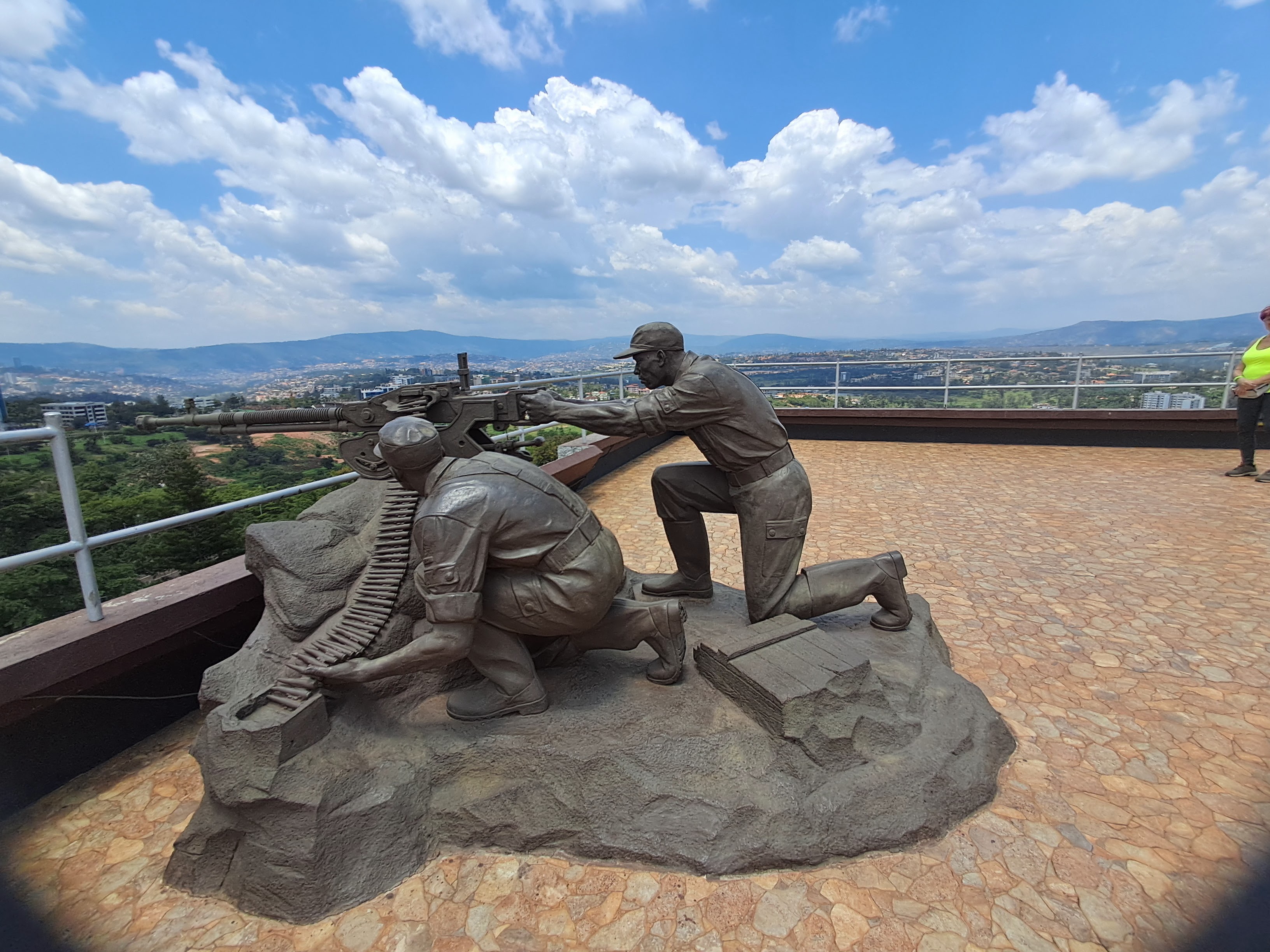
The following days were a journey into Rwanda's past and present. The Kigali Genocide Memorial was, as expected, an incredibly powerful and emotional experience. Walking through the exhibits, witnessing the carefully preserved artefacts, and reading the stories of unimaginable loss were deeply affecting. It was a stark reminder of the horrors of the past, but also a testament to the incredible resilience of the Rwandan people. The visit to the Parliament Museum offered a different perspective, showcasing the country's journey towards reconciliation and unity. It was inspiring to see the progress that has been made and the commitment to building a better future.

My base for this Rwandan adventure was the 2000 Hotel in downtown Kigali. The location was perfect, allowing easy access to many of the city's attractions. The hotel staff were incredibly friendly and helpful, always ready with a smile and a suggestion. A special shout-out to Francois, my taxi driver, who became more than just a driver – he was a guide, a storyteller, and a friend. His insights into Rwandan life and culture enriched my experience immeasurably.

My trip culminated in a truly unique experience: participating in the African Education Festival at Green Hill College. The energy was electric! Surrounded by students, educators, and community members, I felt a sense of hope and optimism for the future of Rwanda and the African continent. The festival showcased the incredible talent and dedication of young people and reinforced the importance of education in building a brighter tomorrow.

My first trip to Kigali was more than just a vacation; it was an education. It was a journey into a country that has faced unimaginable tragedy and emerged with an unwavering spirit of hope. It was a chance to witness firsthand the remarkable progress Rwanda has made and to experience the warmth and hospitality of its people. 

Tomorrow, I leave Kigali with a heavy heart, but also with a deep sense of admiration and a longing to return.


Thursday, February 13, 2025

Rumour Mongering in Organisations: Its Impacts and Strategies to Eliminate It

 Rumour-mongering is a persistent challenge in many organisations. It involves the spread of unverified or false information, often distorting facts and creating confusion. While informal communication can foster collaboration, unchecked rumours can damage trust, lower morale, and disrupt productivity.

Impacts of Rumour Mongering on Organisations

  1. Erosion of Trust – When employees rely on rumours instead of official communication, it weakens trust in leadership and creates uncertainty about the organisation’s direction.

  2. Reduced Productivity – Employees who spend time spreading or discussing rumours lose focus on their core responsibilities, reducing overall efficiency.

  3. Low Morale and Anxiety – Negative rumours, especially those concerning job security, management decisions, or organisational policies, create unnecessary fear and stress among employees.

  4. Conflict and Division – Misinformation can pit employees against one another, causing divisions and weakening teamwork and collaboration.

  5. Damage to Organisational Reputation – If rumours extend beyond the organisation, they can tarnish its public image, affecting relationships with stakeholders, clients, and potential investors.

  6. High Employee Turnover – A toxic work environment created by rumour-mongering can push talented employees to leave, leading to increased recruitment and training costs.

How to Kill Rumour Mongering in an Organisation

  1. Establish a Strong Communication System

    • Ensure that employees receive timely, transparent, and accurate information from leadership.
    • Use emails, newsletters, staff meetings, and internal portals to communicate policies and decisions effectively.
  2. Encourage Open Dialogue

    • Create an environment where employees feel comfortable asking questions and expressing concerns.
    • Foster a culture of honesty where employees trust leadership to provide truthful responses.
  3. Address Rumours Immediately

    • When false information surfaces, leaders should act swiftly to clarify and correct it before it spreads further.
    • Use official channels to debunk false claims and reassure employees.
  4. Model Ethical Leadership

    • Leaders should lead by example by avoiding gossip and promoting integrity in communication.
    • Encourage professionalism and discourage informal speculation about sensitive matters.
  5. Strengthen Team Cohesion

    • Organise team-building activities to foster unity and discourage divisive gossip.
    • Encourage a culture of respect and trust among employees.
  6. Implement a Whistleblower Policy

    • Allow employees to report harmful rumours or unethical behaviour anonymously without fear of victimisation.
    • Investigate reports and take appropriate action to discourage misinformation.
  7. Promote a Culture of Fact-Checking

    • Encourage employees to verify information from credible sources before sharing it.
    • Train staff on the dangers of misinformation and its impact on the organisation.

Rumour-mongering can be highly detrimental to an organisation’s culture, trust, and efficiency. However, by fostering transparent communication, addressing misinformation promptly, and promoting ethical leadership, organisations can eliminate gossip and create a more productive and cohesive work environment.

Sunday, December 15, 2024

THE GIFTED AND FOOLISH


In a vibrant town where talent blossomed like wildflowers, there lived a man named Kweku. Kweku was unlike anyone the town had ever known. He was a prodigy, blessed with the gift of music. His voice could calm the stormiest hearts, and his fingers danced across the strings of his guitar as if he held the secrets of heaven. Crowds flocked to hear him play, and his fame spread far beyond the boundaries of the town.  


With every passing day, Kweku basked in the glory of his talent. He believed his gift was enough—that it alone would sustain him, secure his future, and etch his name in eternity. Yet, behind his enchanting melodies lay an unsettling truth: Kweku lacked wisdom, discipline, and integrity.  


The Downfall of the Gifted

Kweku's rise was swift, but his arrogance was swifter. He ignored advice from elders, dismissed opportunities to learn from others, and scoffed at the idea of planning for the future. "Why should I?" he would boast. "My gift is all I need."  


Over time, cracks began to appear in the empire he had built. He squandered his earnings on frivolities, alienated collaborators with his ego, and neglected the very craft that brought him success. Audiences dwindled, opportunities dried up, and his reputation soured.  


One fateful day, Kweku stood before an empty stage. His once-loyal audience had moved on to others who combined their talent with humility, discipline, and a commitment to growth. Alone and broken, Kweku realized too late that his gift, while extraordinary, was never enough on its own.

Kweku's story is a cautionary tale for anyone blessed with exceptional talent. A gift is a treasure, but it is also a responsibility. Without wisdom to guide it, integrity to sustain it, and foresight to prepare for the future, even the greatest talent can lead to ruin.  


To avoid Kweku's fate, here are timeless principles to maintain and enhance your gift:  


1. Seek Wisdom Daily

   Talent is natural, but wisdom must be pursued. Surround yourself with mentors, read widely, and learn from the successes and failures of others. Wisdom will guide your decisions and help you navigate life's complexities.  


2. Cultivate Integrity

   Your character is the foundation upon which your gift rests. Be honest, reliable, and accountable in all your dealings. People are drawn to talent, but they stay loyal to those they trust.  


3. Embrace Discipline

   Talent may open doors, but discipline keeps them open. Dedicate yourself to continuous practice, refine your craft, and never grow complacent. Mastery is a lifelong journey.  


4. Plan for the Future

   Foresight is the key to longevity. Invest your resources wisely, prepare for changing times, and adapt to new opportunities. Your gift will only remain relevant if you evolve with the world.  


5. Serve Others with Your Gift

   A gift is not just for self-glory; it is meant to uplift others. Use your talent to inspire, educate, and impact lives. The more you give, the more your gift grows.  


A Legacy Beyond Talent

In the years that followed, Kweku rebuilt his life with these lessons in mind. He learned to pair his talent with wisdom and integrity, and though he never regained the fame of his youth, he found something far more enduring: purpose and peace.  


The story of Kweku reminds us that talent is only the beginning. It is the choices we make, the values we uphold, and the discipline we apply that determine whether our gifts become blessings or burdens. Let us be wise stewards of our talents, building legacies that stand the test of time.  

Tuesday, February 13, 2024

Lying Against the Holy Spirit: When Personal Agendas Masquerade as Divine Guidance


In a world where spirituality and faith often intersect with personal desires and agendas, the concept of "hearing from the Holy Spirit" can be both powerful and perilous. While many sincerely believe they are guided by divine inspiration, there are instances where individuals manipulate this belief for their own gain, twisting the arm of justice and exploiting the sanctity of faith for parochial interests.

The Holy Spirit, in Christian theology, is often understood as the divine presence of God, providing guidance, wisdom, and discernment to believers. It is considered a source of truth, righteousness, and moral clarity. However, throughout history, there have been countless examples of individuals who have claimed to act on behalf of the Holy Spirit while engaging in deceit, manipulation, and exploitation.

One of the most egregious forms of lying against the Holy Spirit is when people use religious language and spiritual claims to justify their own selfish motives or to manipulate others. This can take various forms:

1. False Prophecies and Deceptive Messages

Individuals may claim to receive divine revelations or messages from the Holy Spirit to manipulate others or advance their own agendas. These false prophecies can deceive believers into making decisions based on misinformation or fear.

2. Misuse of Religious Authority

Leaders within religious communities may abuse their positions of authority by attributing their decisions or actions to divine guidance, even when motivated by personal gain or control. This can lead to the exploitation of vulnerable followers and the perpetuation of injustice.

3. Twisting Scripture for Personal Gain

 Some may selectively interpret religious texts or cherry-pick passages to justify unethical behavior or discriminatory practices. This distortion of religious teachings not only undermines the integrity of faith but also perpetuates harm and division.

4. Manipulative Practices in Faith Communities 

Within religious organizations, there may be instances of coercion, manipulation, or emotional blackmail disguised as spiritual guidance. This can lead to the exploitation of trust and the erosion of faith communities.

It is essential for believers to exercise discernment and critical thinking when faced with claims of divine guidance or spiritual authority. Blind acceptance of such claims without questioning motives or examining actions can leave individuals vulnerable to exploitation and manipulation.

Moreover, it is incumbent upon religious leaders and communities to uphold the integrity of faith by promoting transparency, accountability, and ethical conduct. This includes fostering an environment where open dialogue, questioning, and accountability are encouraged, and where the values of justice, compassion, and humility are prioritized over personal agendas.

Ultimately, lying against the Holy Spirit not only undermines the sanctity of faith but also violates the fundamental principles of honesty, integrity, and genuine spirituality. As believers, it is our responsibility to seek truth, pursue righteousness, and discern the genuine guidance of the Holy Spirit from the deceptive whispers of self-interest and manipulation.

Thursday, January 4, 2024

A STORY OF GRACE AND RESILIENCE

 In the quiet corners of a forgotten town, my story unfolded against the backdrop of adversity. Conceived in the midst of turmoil, my entrance into the world was marked by the haunting specter of abortion. However, fate had other plans for me, I emerged into a life overshadowed by rumors and prejudice.

Raised in the narrow alleys of judgment, my childhood was painted with whispers of negative comments and influence that clung to me from birth. My mother, a woman weathered by life's storms, made the courageous choice to bring me into a world that seemed eager to reject me. The small, worn-out house we called home echoed with the weight of secrets and unspoken pain.

As I navigated the tumultuous terrain of childhood, the label of a "demon child" became a relentless companion. Bruised and battered by the fists of ignorance, I carried the physical and emotional scars of a society quick to condemn. But through it all, I found solace in the enduring love of my mother and grandmother, love that served as an anchor in the storm. 

School, however, became an arena where the cruel echoes of society intensified. 

Branded as a "houseboy""stupid" and "useless," my life journey was marred by the sharp edges of ridicule. 

Yet, within the confines of my humble room, I found refuge in my unwavering faith. God, a silent ally in my darkest hours, became the source of strength that allowed me to endure. Accepting Jesus Christ as my Lord and Savior in my teens was my sure bet.

The narrative of my life transformed as I transcended the expectations thrust upon me. My mother, an unsung hero in the tale of resilience, stood by me with unwavering support. Together, we faced the storms that raged outside our sanctuary, finding strength in the unbreakable bond forged through hardship.

As I grew, so did my determination to prove that I was more than the sum of society's judgments. Despite the scars, physical and emotional, I pressed on. My struggles became stepping stones rather than stumbling blocks, as I discovered the power of perseverance. The town that had once whispered of demons soon witnessed the emergence of a young man who defied the odds.

Through the lens of faith, my life journey became a testament to the transformative power of resilience. The scars that once defined me became a canvas upon which I  painted a story of triumph. In a world quick to discard, I have become a beacon of inspiration for those who faced similar battles.

The small town, once steeped in prejudice, found redemption in my story. I have become a symbol of the strength that arises from unwavering faith, a testament to the resilience of the human spirit. I, once deemed a burden, had become a source of hope and inspiration, proving that even in the harshest circumstances, the faithful heart can triumph over the darkest shadows.

John Benjamin Eshun 

On the occasion of my 40th Birthday. 

Principal - Cambridge O level 

Ghana Christian International High School 

Author / Poet / Inspirational Blogger / Preacher / Teacher / Trainer 


Monday, January 1, 2024

God Said: Harnessing the Power of Spoken Words in the New Year


In the genesis of a new year, reflections on the profound impact of spoken words become a beacon of wisdom. Drawing inspiration from the analogy of creation, where the mere utterance of God brought forth existence, we delve into the transformative influence that our words wield on the canvas of our lives.

In the beginning, God spoke, and creation unfolded. Each word carried the potency to shape worlds, ignite stars, and breathe life into existence. This ancient narrative serves as a powerful metaphor for the potential encapsulated within our spoken expressions.

As we embark on a fresh chapter, it becomes imperative to recognize the significance of our own declarations. Words, more than mere vessels of communication, hold the key to molding our realities. The adage "as a man thinketh, so is he" echoes this sentiment, emphasizing the intimate connection between language and manifestation.

Our verbal affirmations and declarations become a self-fulfilling prophecy, echoing the divine act of creation. Like God's spoken word, our expressions have the ability to breathe life into aspirations, dreams, and ambitions. This realization calls for a mindful approach to the language we choose to wield, for it shapes the very fabric of our existence.

In the tapestry of creation, God's words were deliberate and purposeful. Likewise, our articulations should align with our intentions. Choosing positivity over negativity, hope over despair, and encouragement over discouragement sets the stage for a year imbued with promise and fulfillment.

However, the power of spoken words extends beyond the individual realm. It permeates relationships, communities, and the collective consciousness. A harmonious symphony of affirmative expressions can propel societies towards progress, fostering a collective mindset of growth, empathy, and unity.

Conversely, the misuse of language can sow seeds of discord and destruction. Recognizing the responsibility that comes with the power of speech is essential. It prompts introspection on the impact of our words, urging us to be architects of harmony rather than agents of discord.

In the grand narrative of creation, God's words were not arbitrary; they were purposeful, deliberate, and laden with intention. Similarly, our expressions should reflect a conscious awareness of their potential consequences. By harnessing the creative force within our words, we stand at the threshold of sculpting a reality aligned with our aspirations.

As we traverse the uncharted terrain of a new year, let us draw inspiration from the divine act of creation. Let our words echo with purpose, positivity, and the unwavering belief in the possibilities that lie ahead. For in the tapestry of existence, the power of "God said" resonates, reminding us that our words possess the profound ability to shape the destinies we envision.

THE SUBTLE COST OF SMALL WORDS

The Subtle Cost of Small Words It is rarely one big statement that ruins a person’s chances. More often, it is the accumulation of “little” ...